What traditional board games have Russians invented?
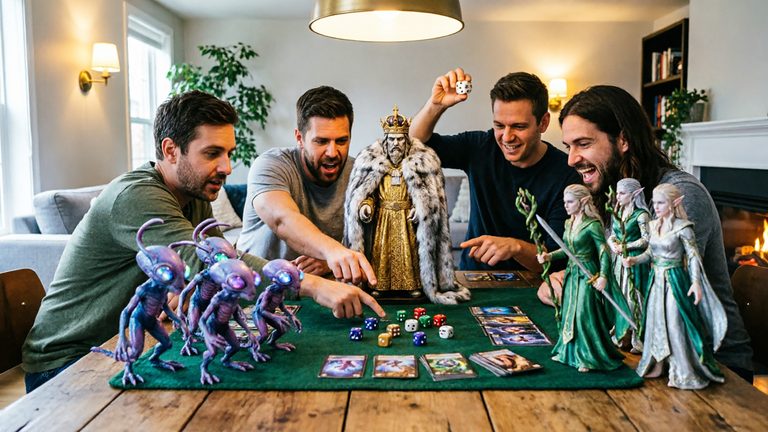
Do you think Russians only play checkers and lotto? Think again! There’s a whole sea of board games made of cardboard, bone, wood (take your pick) and more!
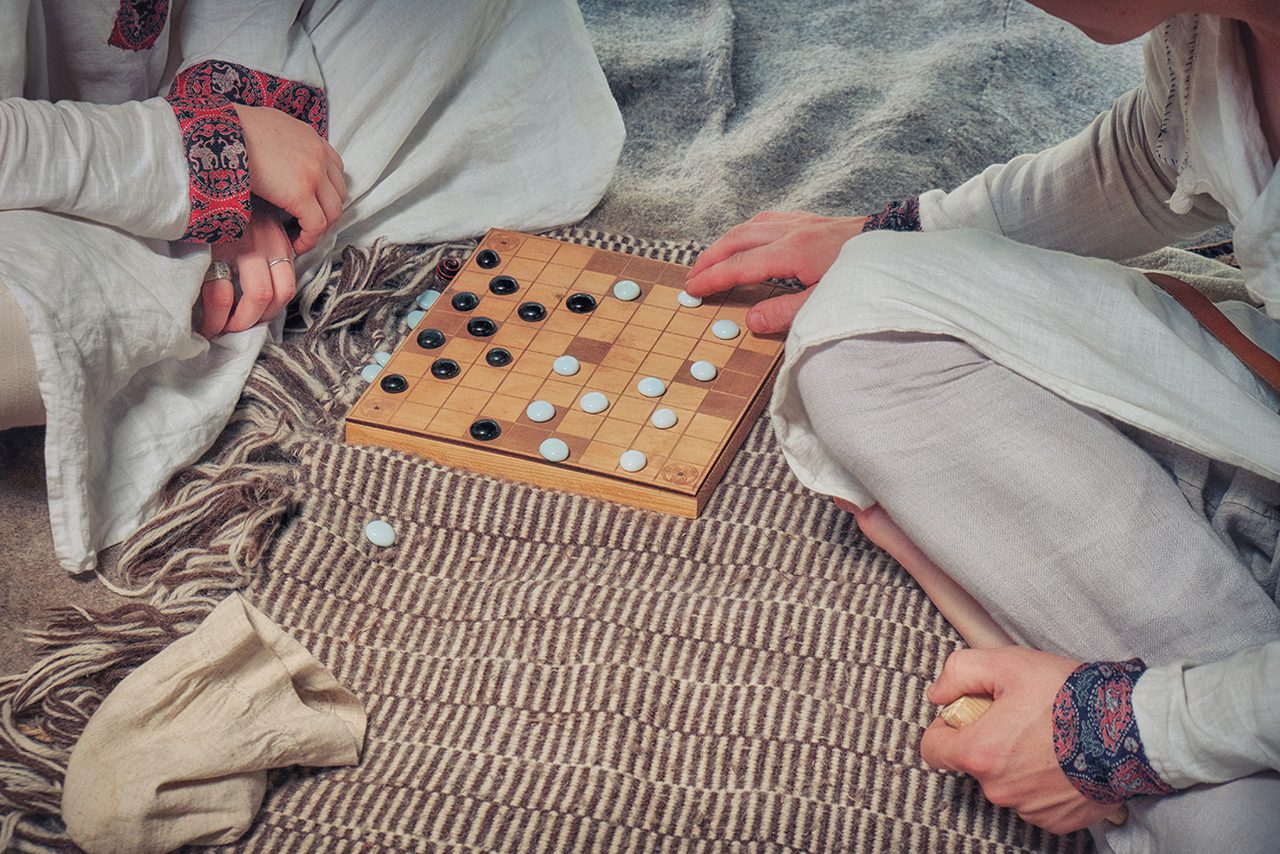
It may seem that games are the same everywhere. After all, people all over the world play chess and card games and the rules largely remain unchanged. But, that is only partly true. Thanks to trade, games traveled from one country to another along with other goods, adapting to local conditions along the way. For example, during excavations in Veliky Novgorod, scientists uncovered knucklebones and boards with game grids dating from the 10th to the 13th centuries, resembling those used in the Scandinavian games ‘daldøs’ and ‘sáhkku’. On the territory of modern-day Crimea, a variant of ancient checkers was played, in which astragals – the hock bones of hoofed animals – were used, instead of round pieces. But, both then and now, people in Russia have played their own unique board games.
Pieces on the board
Take ‘tavlei’ (тавлеи), for example, a game similar to checkers. Its name derives from the Latin ‘tabula’ or the Ancient Greek ‘τάβλαις’ (or ‘πεττείαις’, according to another theory). The first written mention of the game in Russian sources dates back to the 11th century. In the 15th century, the Stoglav Council banned ‘tavlei’, along with other games of chance. The rules are not fully known, but it seems the game was no quick pastime: each player had 15 pieces that had to be moved to the far quarter of the board and then off the playing area.
And since we are talking about checkers, the game itself evolved on Russian soil. At various times, it was banned; at other times, it was included in the compulsory program of Peter the Great’s assemblies; and at still other times, attempts were made to consolidate all the rules that had accumulated over several centuries into a single set of rules. As a result, by the 19th century, a distinctive Russian version of checkers had emerged, in which pieces moved only on dark squares, a simple checker piece could capture both forward and backward and king checkers enjoyed considerable freedom of movement, able to capture pieces on any square along a diagonal.
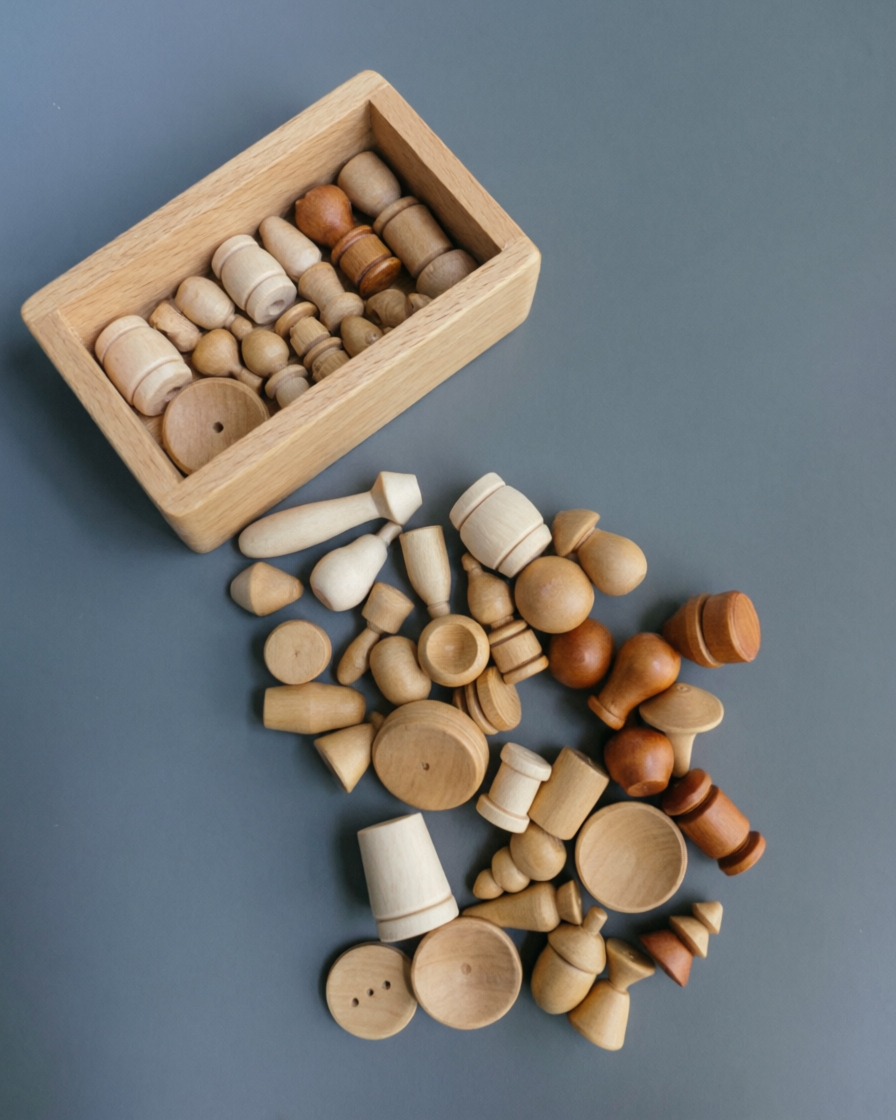
‘Biryulki’ (бирюльки) was, without exaggeration, a game of the people. In villages, people played with sticks or straws, while in aristocratic salons, special pieces made of ivory or precious woods were used. The aim was to carefully remove the small figurines – the ‘biryulki’ – one by one from a common pile, using a small bone stick. If you knocked over a neighboring piece, you had to forfeit your turn. Managed to collect the most pieces before anyone else? You win!
Children's games
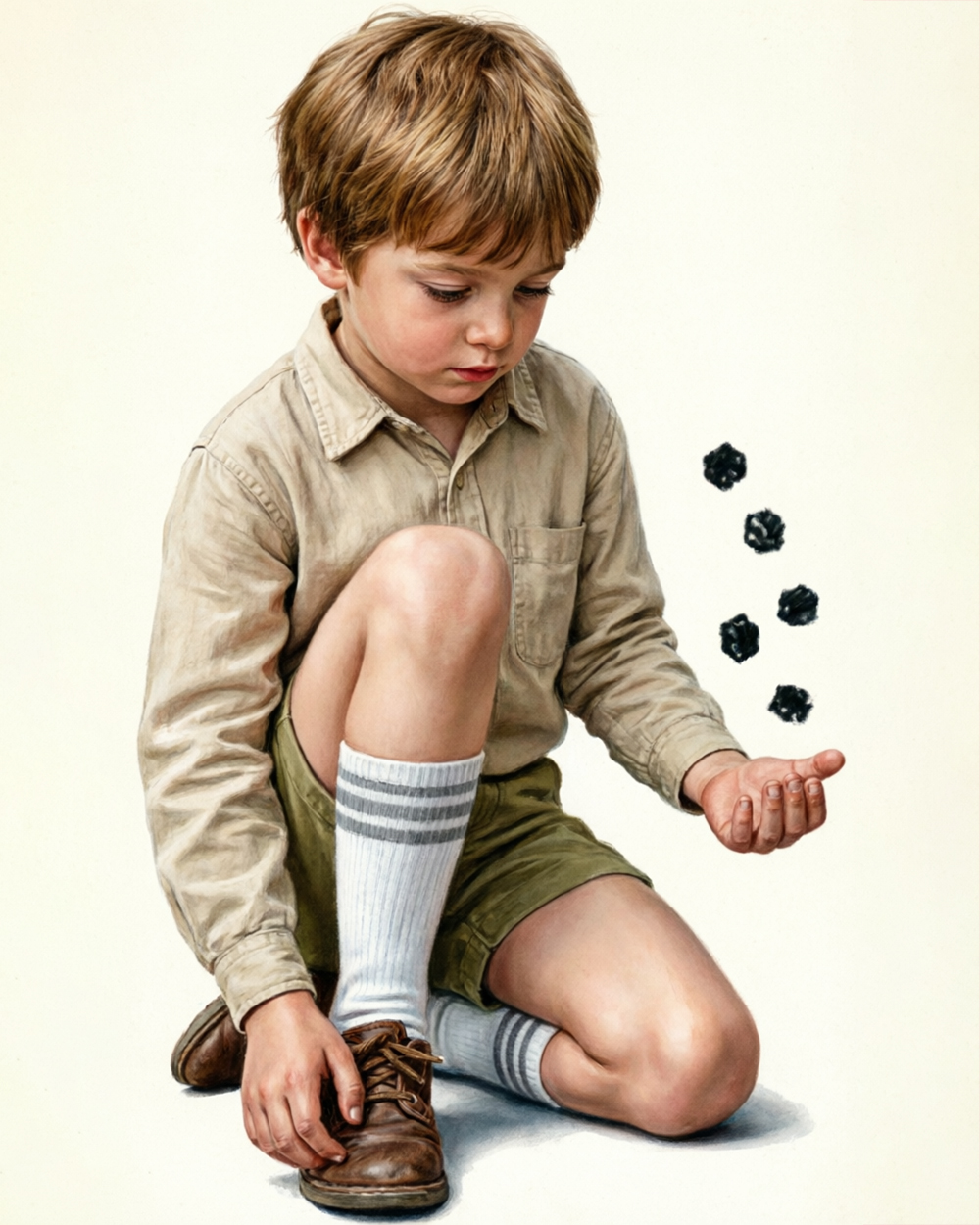
One of the simplest and most accessible games was ‘kameshki’ or ‘pebbles’. All you needed was five or six small rounded objects made of stone or bone. Players tossed and caught them according to specific rules. The more skillfully and quickly you manage to do so, the better your chances of winning.
As children grew older, their choice of games expanded. And these games were not just entertainment. Board games were used to teach history and even train future military officers. The first person to devise games for such purposes was Fyodor Anhalt, director general of the Land Gentry Cadet Corps. Following his lead, others began developing games based on Russian history, geography and related subjects.
His Majesty's berserk
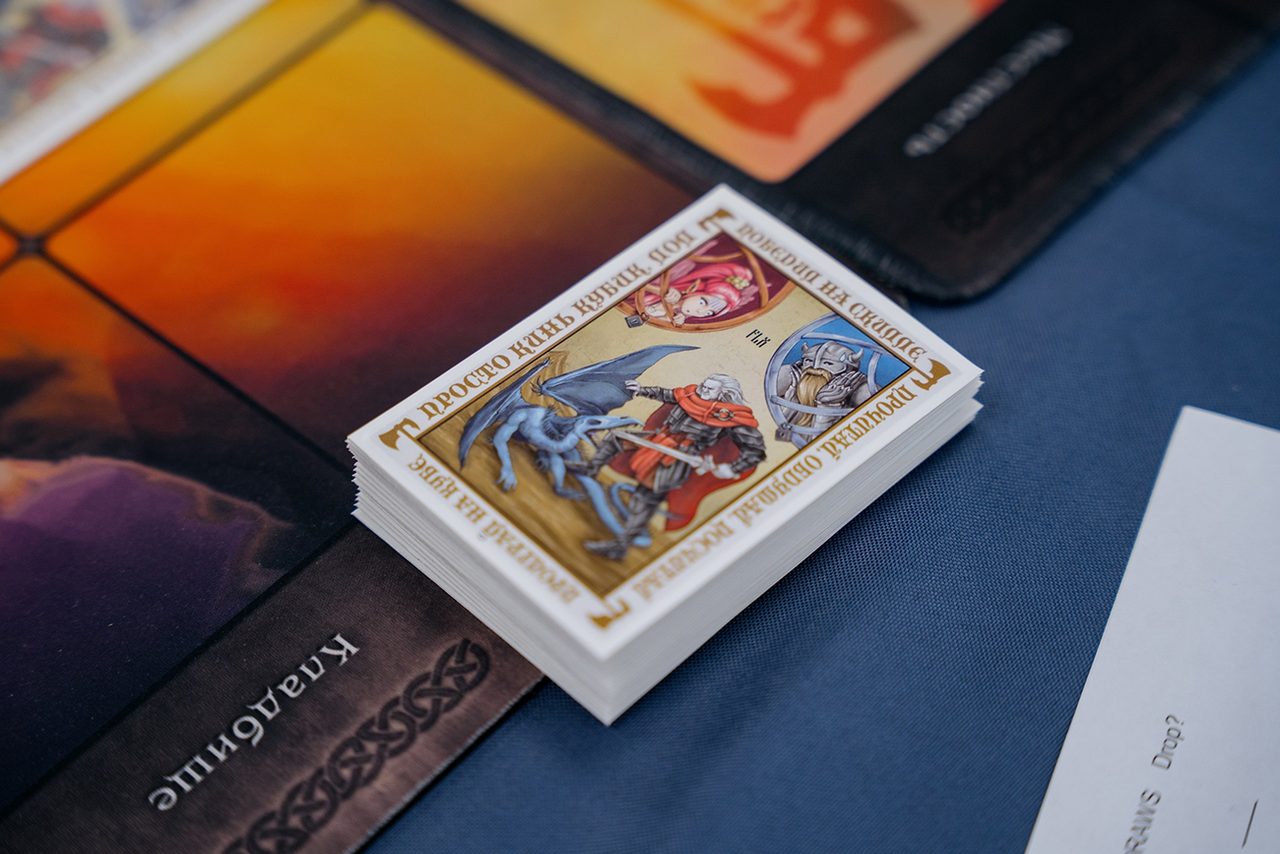
The heroes in the hit TV show ‘Stranger Things’ spent hours playing ‘Dungeons & Dragons’. Russian board-game enthusiasts have their own hits. One example is ‘Berserk’, a fantasy card game created by Ivan Popov and Maxim Istomin. Over the course of more than 20 years, the game has expanded into an entire franchise and even spawned its own book series.
The battles take place in Laar, a world once devastated by a Cataclysm. There are also board games featuring real historical figures, such as Ivan the Terrible. ‘The First Tsar’ is essentially the Russian answer to ‘Game of Thrones’: instead of the Houses of Westeros, it features boyar families vying for power and influence.
You can get your adrenaline pumping and put your sense of humor to the test with ‘Struggling middle ages’ (‘Stradayushchee Srednevekovie’) – while also learning how to embark on crusades and save your subjects from the plague. Or find yourself ‘Inside Lapеnko’, a game inspired by a popular web series with the same name.
The plot of ‘City of the Great Machine’ is especially relevant today. This steampunk strategy game revolves around a struggle between rebels and an artificial intelligence that has decided to improve humanity and the world according to its own vision.
Meanwhile, fans of the quiz game ‘Fact-Food’, a classic of the genre, call it a “brain explosion”. In the best possible sense, of course: the box contains 500 question cards and the answers help feed the alien guests at a restaurant.